There is a drawer in most London homes that tells a quiet story about the modern age – a tangle of obsolete chargers, a phone that stopped working two upgrades ago, a pair of earphones with a fraying cable, perhaps a digital camera that felt indispensable in 2009. Most of these items will eventually make their way into a black bin bag, and from there into general waste. It is an entirely understandable outcome, and almost entirely the wrong one. The regulations governing electrical waste in the UK are more robust than most people realise, the environmental consequences of ignoring them are more serious than the humble broken toaster might suggest, and the practical options available to Londoners who want to do the right thing are more accessible than the lack of public awareness would imply. This article sets out what you actually need to know.
What WEEE Actually Means – and Why the Category Is Bigger Than You Think
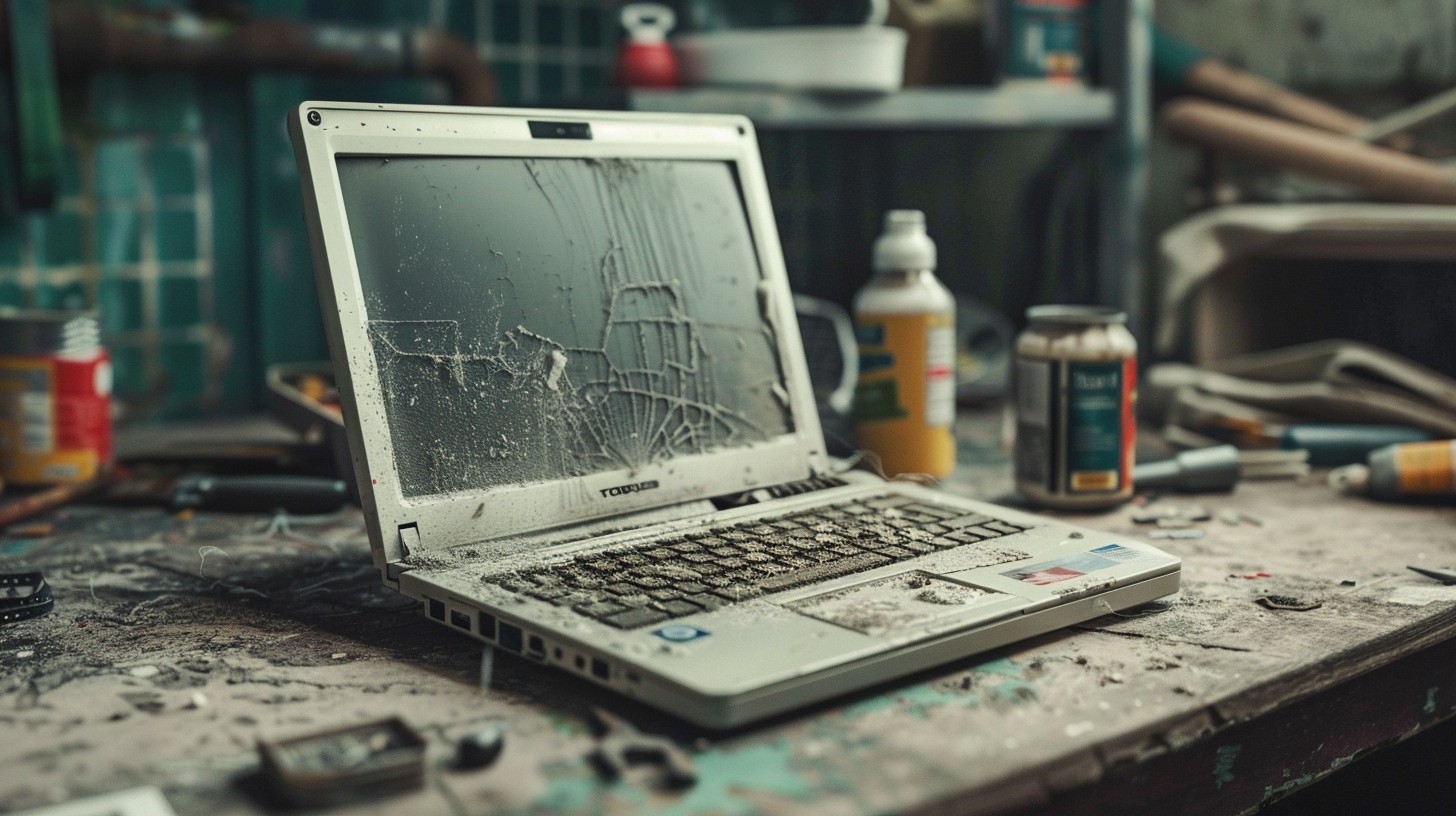
WEEE stands for Waste Electrical and Electronic Equipment. It is a regulatory category that covers any product with a plug, a battery, or an electrical component that has reached the end of its useful life. Most people, when they hear the term, think of televisions and desktop computers – large, obviously electrical items. The actual scope is considerably wider.
WEEE includes kitchen appliances from microwaves to electric tin openers, personal care devices from hair dryers to electric shavers, power tools, garden equipment with electric motors, smoke detectors, LED light bulbs, electronic toys, medical devices used in the home, and the full range of consumer electronics from smartphones to portable speakers. If it runs on electricity and you no longer want it, it almost certainly falls within the WEEE framework.
The UK generates over one and a half million tonnes of electrical waste each year, placing it among the highest per-capita producers in Europe. London, as the most densely populated and electronically saturated part of the country, contributes a disproportionate share of that figure. The volume is growing – driven by shorter product lifespans, faster upgrade cycles, and the proliferation of cheap electronic goods that are not designed with longevity in mind.
Why Electrical Waste Is Classified as Hazardous
The reason WEEE is treated differently from ordinary household rubbish is straightforward: a significant proportion of electrical and electronic equipment contains substances that are harmful to human health and the environment when not handled correctly.
Lead is present in solder in older circuit boards. Mercury is found in certain types of display screens and fluorescent backlights. Cadmium appears in rechargeable batteries and some semiconductors. Brominated flame retardants, used widely in plastic casings, release toxic compounds when incinerated. Refrigerants in cooling equipment include gases with potent greenhouse warming potential. When items containing these substances are sent to landfill, they can leach into soil and groundwater over time. When incinerated without specialist controls, they release compounds that pose direct air quality risks. The hazard classification is not regulatory caution for its own sake – it reflects a genuine and well-documented set of environmental risks.
The WEEE Regulations – What the Law Actually Requires
The legal framework in the UK is provided by the WEEE Regulations 2013, which were retained and adapted following the UK’s departure from the European Union. The regulations operate on a producer responsibility model – manufacturers and importers of electrical goods are required to fund and organise the collection and treatment of equivalent waste, on the basis that those who profit from putting products into the market should bear responsibility for managing them at end of life.
For consumers, the most practically significant element of the regulations is the obligation placed on retailers – but it is one that remarkably few people are aware of or make use of.
What Retailers Are Legally Obliged to Offer You
Any retailer selling electrical or electronic goods in the UK is required to provide a means for customers to dispose of old items on a like-for-like basis. If you buy a new laptop, the retailer must accept an old laptop for responsible disposal. If you buy a new kettle, they must take your old one. This is the “take-back” or “in-store return” obligation, and it applies whether you are shopping in a physical store or online.
For smaller items – broadly defined as products with no dimension exceeding 25 centimetres – larger retailers are additionally required to accept items for disposal without a purchase being necessary, under what is sometimes called the “1 in, 1 in” rule for smaller devices or simply the small WEEE take-back obligation.
In practice, awareness of these rights is low. Retailers are not always forthcoming about the obligation, and the lack of prominent in-store communication means that most people who could hand over an old device at the point of purchase simply do not know they are entitled to. Knowing the right exists is the first step to using it.
The Scale of the Problem – How Much Electrical Waste London Generates
The Global E-waste Monitor, which provides the most comprehensive international data on electrical waste flows, has consistently ranked the UK among the worst performers in Europe for the gap between WEEE generated and WEEE formally collected through licensed channels. A substantial proportion of the electrical waste produced in the UK each year is unaccounted for – meaning it enters general waste streams, is stockpiled in homes indefinitely, is exported through channels that may not meet UK or destination-country environmental standards, or is collected by unlicensed operators.
This “missing” WEEE represents both an environmental liability and an economic one. Materials that could be recovered and re-entered into the manufacturing supply chain are instead lost – either locked in landfill or degraded through inadequate processing.
The Hidden Value in Your Old Electronics
Electronic devices contain a surprisingly rich mix of recoverable materials. Gold is used in circuit board connectors. Silver appears in switches and contacts. Copper is present throughout in wiring and components. Palladium, a metal more expensive than gold by weight, is used in capacitors. Rare earth elements critical to the manufacture of magnets and display screens are found in smartphones and laptops in quantities that are small per device but significant in aggregate.
A tonne of smartphones contains more gold than a tonne of gold ore. The material value locked in the UK’s annually discarded electronics runs into hundreds of millions of pounds. Formal recycling through authorised treatment facilities recovers a meaningful proportion of these materials. General waste disposal recovers none of them. Framing WEEE as a resource management question rather than purely a disposal one shifts the conversation in a useful direction.
Where Londoners Can Legally and Responsibly Dispose of WEEE
The most reliable option for most London residents is their local Household Waste Recycling Centre, all of which are required to accept WEEE free of charge. Every London borough has at least one, though opening hours vary and some sites have restrictions on the volume of trade waste they will accept. A full directory is available through each borough’s council website.
Retailer take-back, as described above, is the most convenient option for anyone making a new purchase. For items being disposed of without a corresponding purchase, larger retailers including many supermarkets and electrical chains now operate drop-off points for small WEEE items – a network that has expanded considerably in recent years as producer compliance scheme obligations have tightened.
Manufacturer return programmes exist for certain product categories, particularly mobile phones and laptops. A number of charities also accept working electrical items in good condition for refurbishment and reuse – a disposal route that extends the useful life of a product rather than simply processing it as waste.
What About Businesses? The Rules Are Stricter Than You Think
The WEEE obligations placed on businesses are substantially more demanding than those applying to domestic consumers, and non-compliance carries real regulatory risk. Businesses have a formal Duty of Care to ensure that any WEEE they produce is transferred to an authorised treatment facility and that a paper trail documenting that transfer is maintained.
This applies to all businesses regardless of size – a sole trader disposing of an old laptop has the same documentation obligations as a large corporation clearing a server room. The assumption, common among small London businesses, that the consumer take-back rules provide adequate cover is incorrect. Using a waste carrier that is not specifically authorised to handle WEEE is a compliance failure even if that carrier holds a standard waste carrier licence.
What Happens When WEEE Is Disposed of Incorrectly
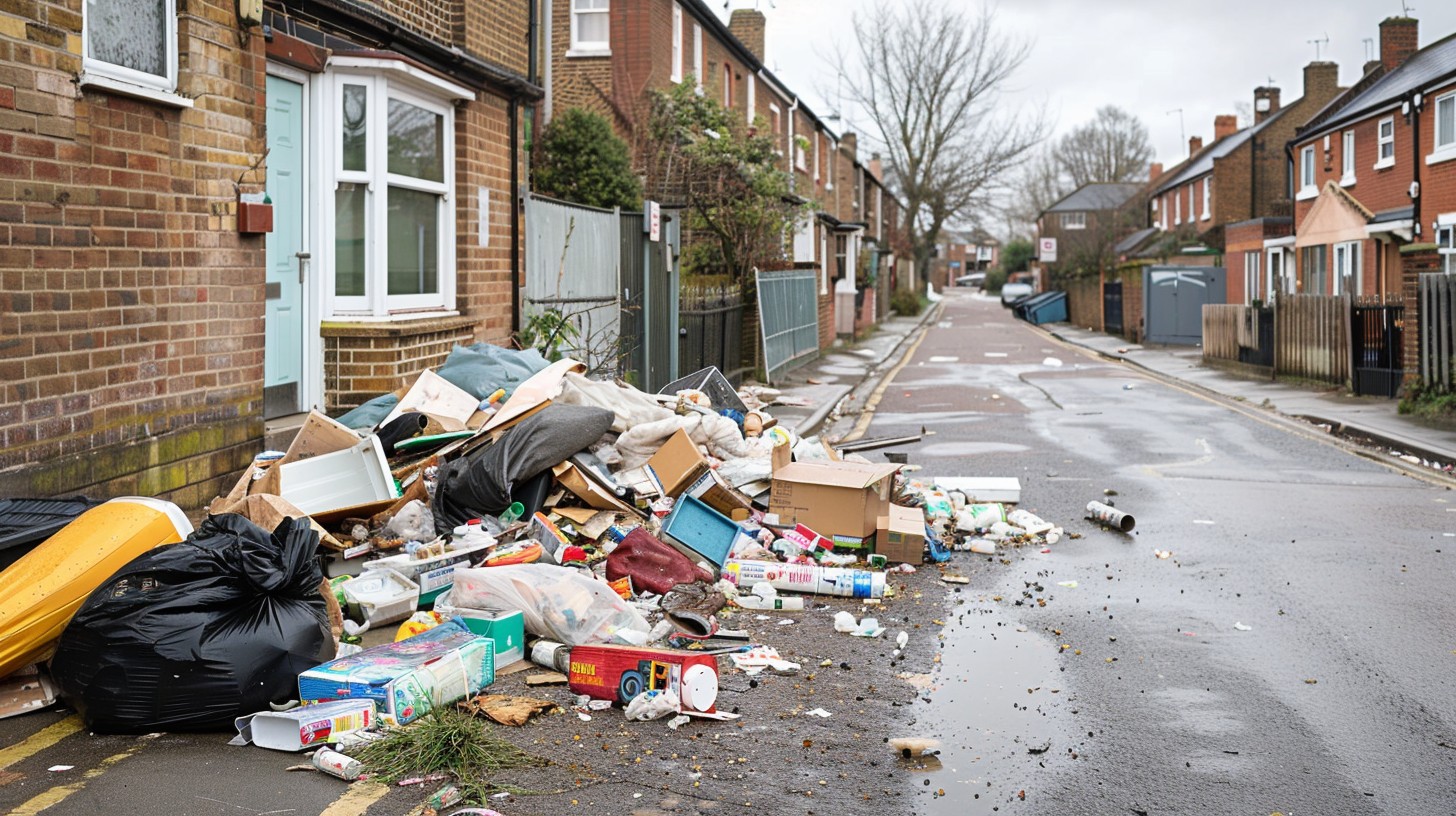
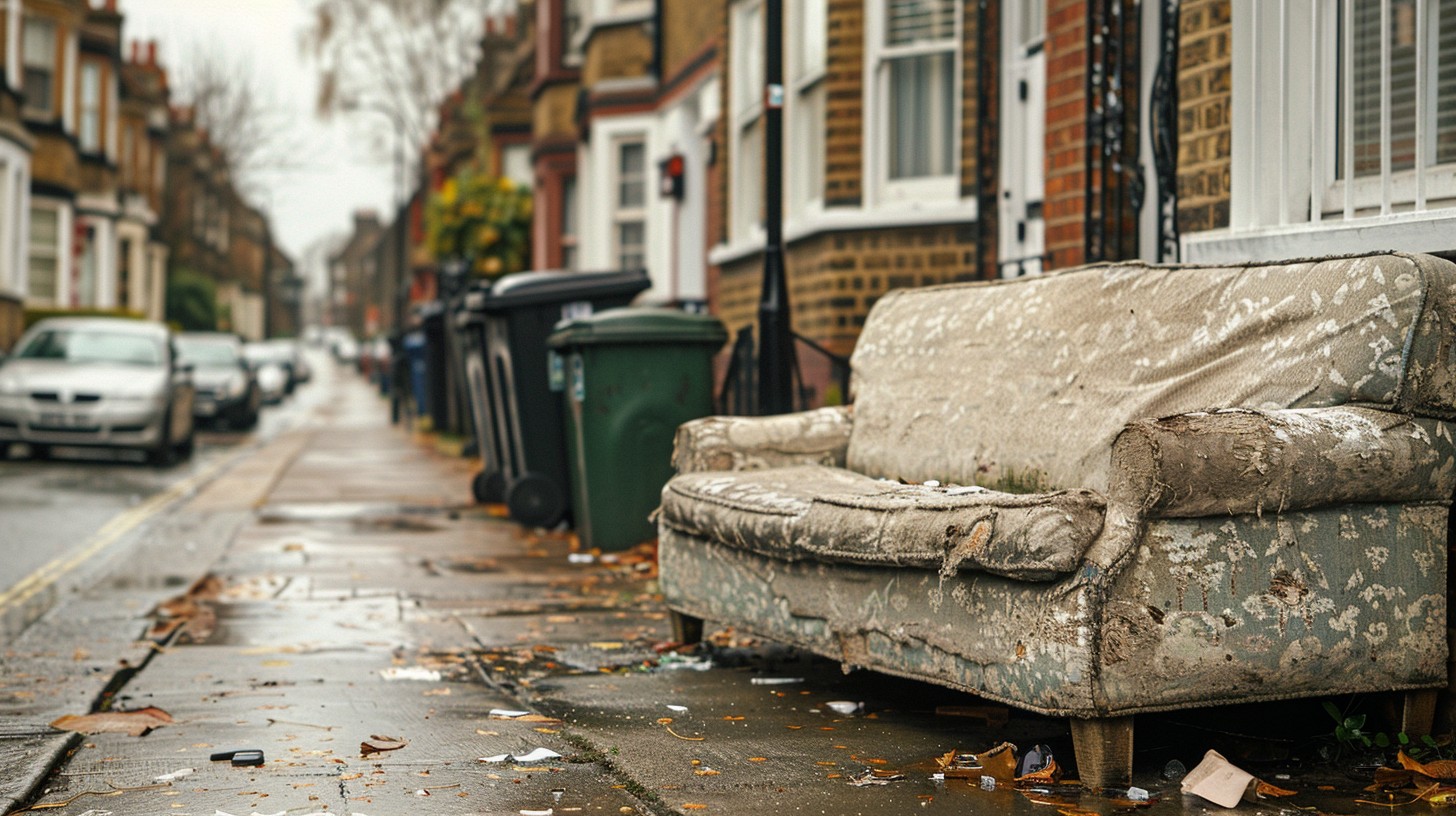
When WEEE enters the general waste stream and is processed through standard municipal channels, the hazardous materials it contains are either landfilled or incinerated without the specialist controls that licensed treatment requires. The environmental consequences – gradual soil and groundwater contamination from leaching, toxic emissions from uncontrolled incineration – are diffuse and long-term, which is part of the reason they do not register as urgently as more visible forms of pollution.
The second failure mode is more acute. A significant volume of WEEE collected in the UK ends up exported to countries in West Africa and South Asia, where informal processing – often involving open burning to recover metals – exposes workers and local communities to concentrated levels of the toxic compounds that the WEEE framework is designed to contain. This is not a theoretical risk. It is a well-documented trade route, investigated repeatedly by environmental journalists and regulators, and it is partly sustained by the gap between the volume of WEEE generated in cities like London and the volume processed through legitimate channels.
Small Devices, Big Impact – Changing the Habit
The psychological barrier to correct WEEE disposal is at its highest for small items. A broken laptop feels significant enough to warrant a trip to the recycling centre. A dead phone charger, a cracked pair of earphones, a defunct electric toothbrush head – these feel too trivial for anything other than the bin.
This intuition is understandable but mistaken. The sheer number of small electrical items discarded in London annually means that the aggregate effect of those individual decisions is substantial. The infrastructure available to address it has improved considerably – supermarket WEEE drop-off points, high street collection bins, and expanded retailer take-back schemes have collectively reduced the logistical friction involved.
The habit change required is modest: treat the end-of-life of any electrical item, however small, as a moment that requires a slightly different action from general waste disposal. In a city generating the volume of electronic waste that London does, the cumulative impact of that small behavioural shift is anything but trivial.